October 24, 2026
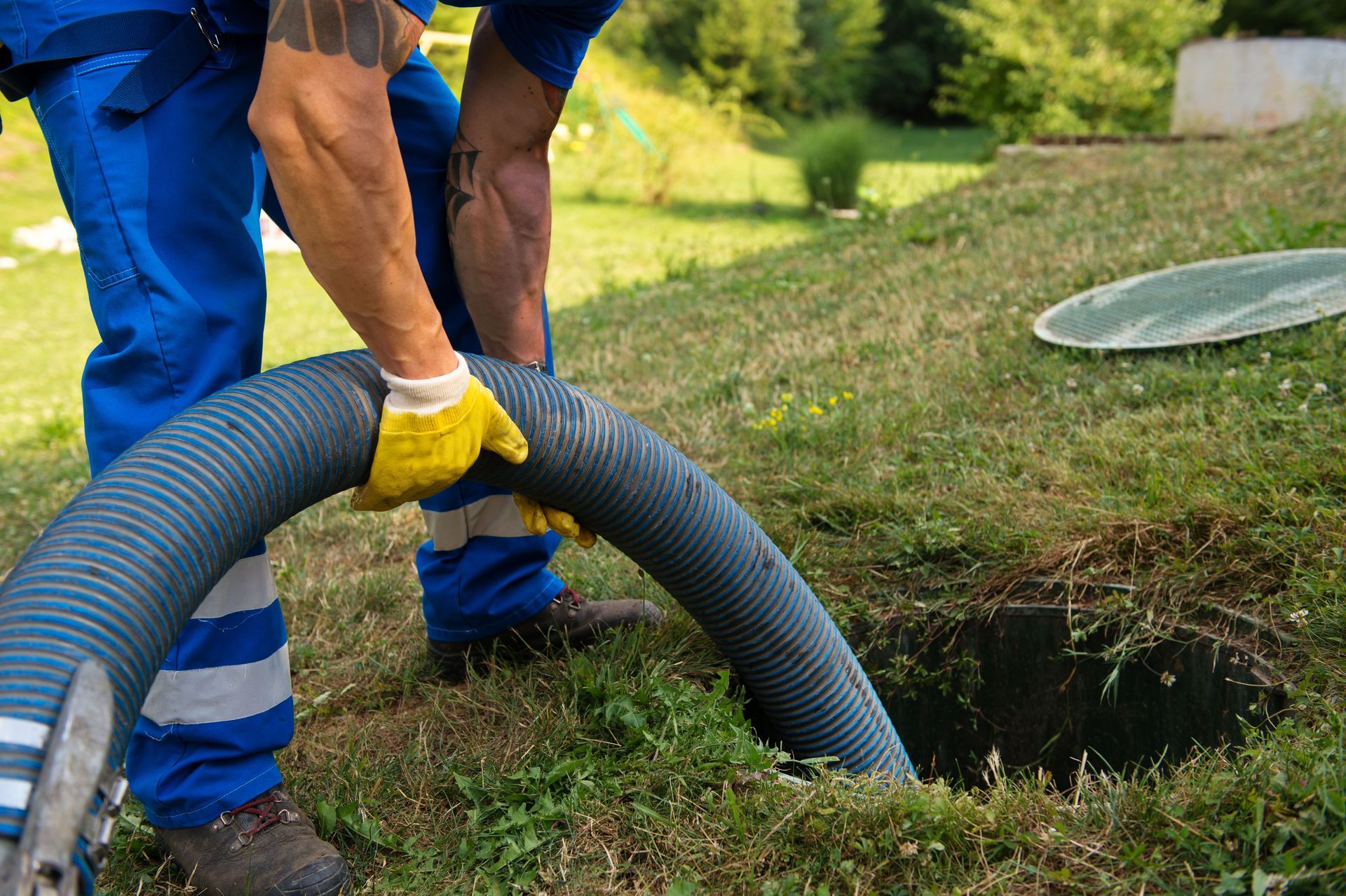
Maintaining a private residential wastewater system serves as a vital responsibility for homeowners living outside municipal sewer districts. Septic infrastructure operates silently beneath backyards, treating and dispersing household wastewater generated by daily showers, laundry loads, dishwashing, and toilet flushing. Because septic components remain buried underground and out of direct sight, property owners frequently overlook system upkeep until severe operational failures occur. Ignoring early signs of sluggish drainage, unusual foul odors, or surface soggy patches allows sludge and scum layers to accumulate inside septic tanks, eventually choking absorption drain fields and causing sewage backups. Establishing a consistent care routine safeguards property investments, prevents hazardous environmental contamination, and guarantees uninterrupted household plumbing performance.
Understanding how private wastewater systems function empowers property owners to identify warning signs early and make informed care choices. Proper system management encompasses inspecting internal fluid levels, pumping settled solid sludge regularly, conserving household water usage, and protecting drain field soils from heavy compaction. Furthermore, partnering with licensed wastewater technicians ensures that baffle inspections, effluent filter cleanings, and structural tank evaluations are executed safely and in strict accordance with environmental health standards. Exploring essential upkeep practices reveals how proactive attention, routine mechanical inspections, and professional pumping service work together to preserve system longevity and protect family health.
Protecting Household Health and Preventing Hazardous Sewage Backups
Protecting family health and maintaining sanitary living conditions represents the most critical reason to prioritize regular system care. Raw domestic wastewater contains dangerous pathogens, harmful bacteria, parasites, and chemical contaminants that pose severe health risks when exposed to living environments. When septic tanks become overloaded with solid waste, untreated wastewater can back up through lower floor drains, toilets, and sinks, flooding living spaces with hazardous sewage.
Cleaning up indoor sewage backups requires extensive decontamination, structural drywall replacement, and costly biohazard mitigation services. Furthermore, surfacing effluent in yards exposes children, household pets, and neighboring properties to disease-causing microbes. Scheduling routine septic maintenance ensures that solids settle properly inside main tanks, preventing sewage from backing up into living spaces or overflowing across lawn surfaces.
Safeguard Environmental Water Resources and Local Groundwater Quality
Safeguarding local groundwater supplies and surrounding natural ecosystems from toxic effluent contamination demands diligent system oversight. Septic tanks rely on natural bacterial decomposition to break down organic solids before releasing clarified liquid effluent into surrounding drain field soils. Soil layers act as natural biological filters, removing remaining bacteria and nutrients before liquid percolates down into subterranean aquifers, local wells, streams, and lakes.
When neglected tanks allow heavy solids and grease to escape into drain field pipes, soil pores become clogged with biomat sludge, preventing proper liquid absorption and natural filtration. Untreated wastewater then migrates directly into local groundwater networks, contaminating drinking water wells with harmful nitrates and coliform bacteria. Prioritizing regular septic maintenance preserves soil filtration capabilities, protecting regional water tables and aquatic wildlife environments from toxic contamination.
Avoiding Catastrophic Drain Field Failure and Costly Replacement Expenses
Avoiding complete absorption field clogging saves property owners tens of thousands of dollars in emergency excavation and structural replacement fees. The drain field represents the most delicate and expensive component of a private wastewater system. Once drain field soils become saturated with solid debris, fats, and non-biodegradable lint, liquid can no longer drain away, causing total system failure.
Replacing a ruined drain field requires extensive heavy machinery excavation, soil testing, civil engineering plans, and municipal permitting, destroying established landscaping and driveways in the process. Regular tank pumping removes accumulated sludge layers before they can overflow into distribution pipes and ruin drain field soils. Investing in routine septic maintenance extends drain field operational lifespans significantly, avoiding premature structural replacements and preserving financial equity.
Understanding Long-Term System Lifespans and Structural Wear Factors
Understanding the natural lifespan and structural wear factors of buried concrete, fiberglass, or plastic tanks helps homeowners plan long-term property investments wisely. Septic tanks endure continuous chemical exposure, soil pressure, bacterial acidity, and moisture variations year after year. Over time, concrete tank walls can suffer acid corrosion, plastic tanks can crack under shifting soils, and internal baffles can deteriorate, compromising wastewater treatment efficiency.
Monitoring tank conditions through regular professional inspections helps property owners recognize when structural repairs or total replacements become necessary. According to HomeGuide, septic tanks often require replacement after 40 years, especially when cracks appear, repairs become more frequent, or pumping is needed more often than normal. Partnering with certified wastewater technicians for routine septic maintenance identifies subtle tank cracks, broken baffles, and root intrusions early, ensuring timely structural repairs before total system failure occurs.
Preserving Residential Property Equity and Real Estate Marketability
Preserving home equity and maintaining property marketability relies heavily on documenting consistent wastewater system care. During real estate transactions, prospective home buyers and mortgage lenders mandate rigorous septic system inspections before finalizing property sales. A failing septic tank, clogged drain field, or lack of maintenance records can stall real estate transactions, lower home appraisal valuations, or require sellers to replace systems before closing escrow.
Conversely, presenting detailed maintenance logs showing regular pumping, baffle inspections, and professional servicing reassures buyers that the wastewater infrastructure functions flawlessly. Pristine septic systems enhance property desirability and protect real estate investment returns. Contracting professional technicians for routine septic maintenance preserves property market value, ensuring smooth real estate transactions when the time comes to sell your home.
Optimizing Household Water Usage and Protecting System Capacity
Optimizing daily household water conservation practices protects septic treatment capacity from hydraulic overload. Excess water volume from laundry machines, long showers, and leaking plumbing fixtures pushes liquid through septic tanks too rapidly, preventing solid waste from settling to the bottom. Fast-moving liquid carries suspended solids directly into drain fields, accelerating soil clogging.
Maintaining a reliable, efficient, and environmentally safe private wastewater system requires consistent attention, smart water usage, and routine professional servicing. By protecting household health, preventing drain field clogging, safeguarding groundwater purity, and monitoring tank structural integrity, property owners avoid catastrophic sewage backups and expensive emergency replacements. Proactive tank pumping and thorough baffle inspections preserve soil absorption capacity, lower long-term operating costs, and protect total real estate equity. Prioritizing routine wastewater system upkeep ensures that underground infrastructure operates quietly, safely, and efficiently season after season. When managing private wastewater systems, collaborating with certified pumping and cleaning specialists guarantees master clinical service, environmental compliance, and complete peace of mind.
At Hodnett Septic Tank Cleaning, we are deeply committed to protecting your home's sanitation, preserving environmental groundwater safety, and delivering superior septic maintenance solutions through master craftsmanship, advanced pumping technology, and dedicated customer care. Our team of certified wastewater specialists brings extensive technical expertise, heavy-duty vacuum truck equipment, and meticulous attention to detail to every septic tank pumping, drain field inspection, baffle repair, grease trap cleaning, and system diagnostic project we execute across our community. We take immense pride in evaluating your unique wastewater system, analyzing sludge accumulation levels, inspecting structural tank integrity, and executing thorough cleaning services that bring total operational reliability, odor prevention, and long-term security to your property. Furthermore, our company prioritizes clear communication, transparent service estimates, clean jobsite management, and exceptional service performance from initial inspection through final waste disposal. We carefully examine every inlet baffle, outlet tee, tank seal, and liquid level to guarantee maximum operational safety, environmental compliance, and complete homeowner satisfaction. Contact us today to schedule your comprehensive wastewater consultation and discover the true value of working with dedicated local septic specialists.